

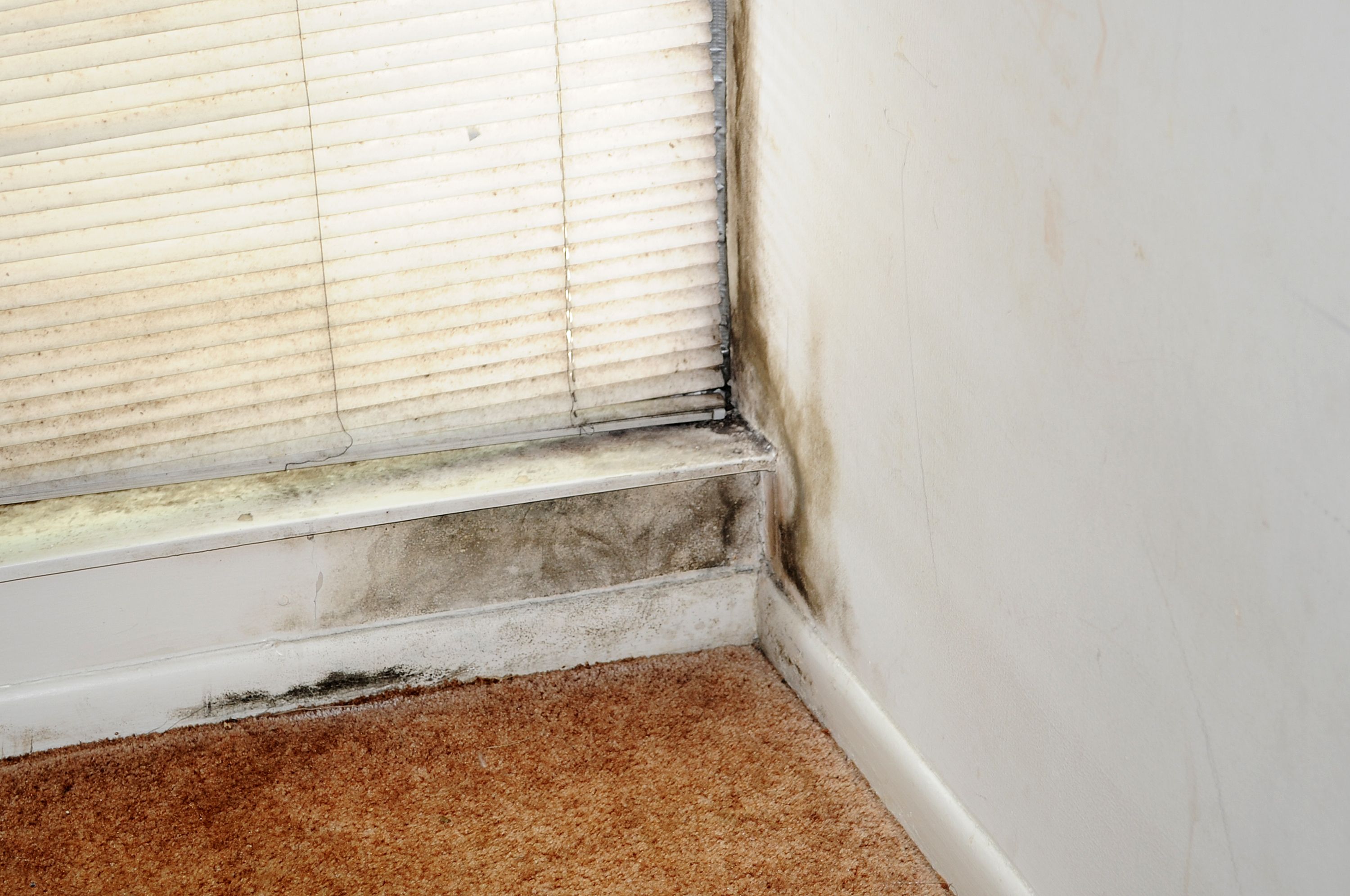
Found black mould on a ceiling or wall? Here’s the short version: the colour of mould doesn’t reliably tell you the species or how much of a problem it is. Many common household moulds look black, dark green or grey, and you can’t identify a species by eye. What actually matters is how much growth there is, what it’s growing on, and what moisture is feeding it. Health authorities such as NSW Health recommend addressing mould and damp in the home, whatever the colour. Small patches on hard surfaces are often a DIY job; larger, recurring or post-water-damage mould deserves professional attention.
Now the longer version: “black mould” is one of the most myth-encrusted topics in Australian home maintenance, and Illawarra homes see more than their share of it.
What “black mould” actually is
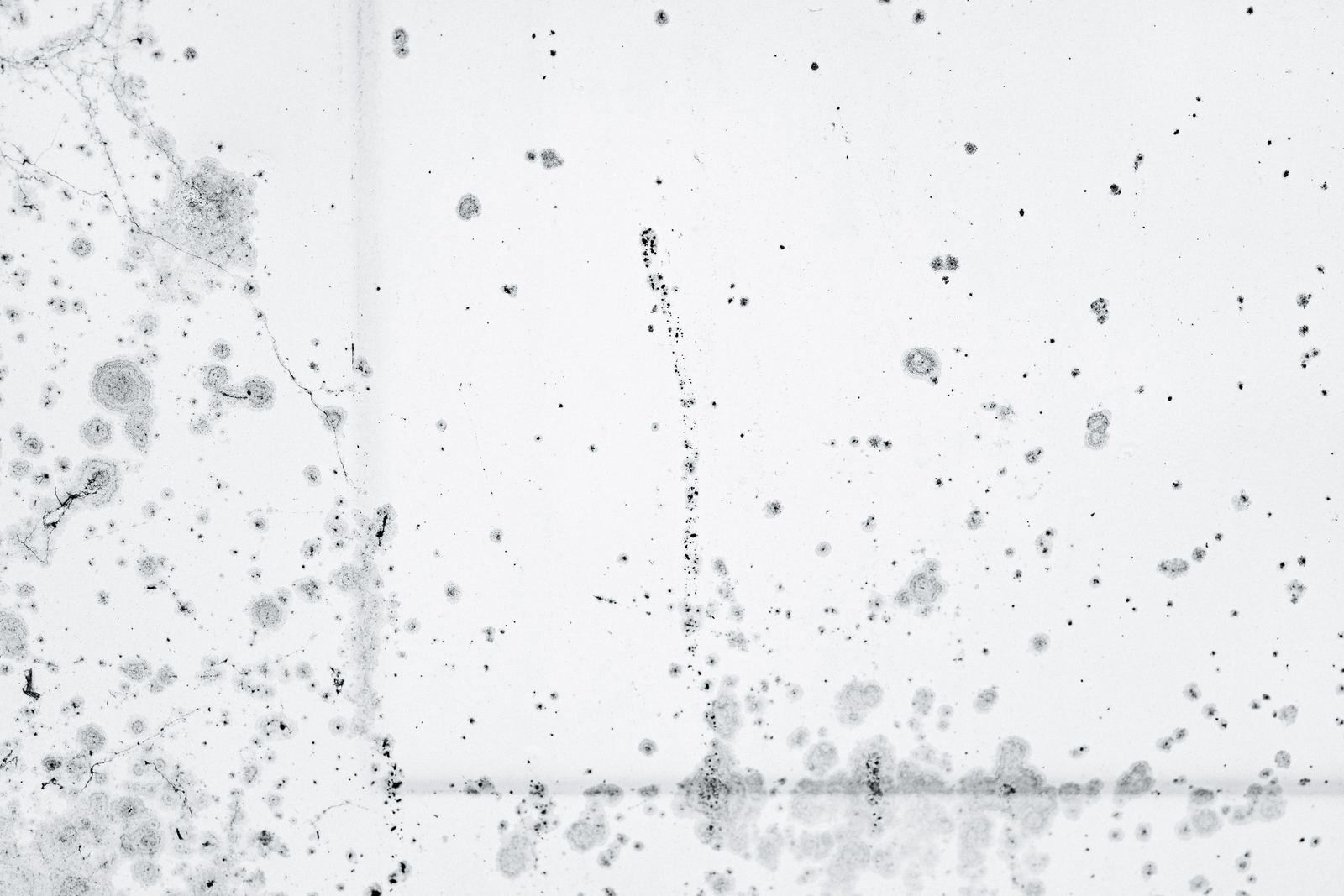
When people say “black mould” they usually mean one of two things:
- Any mould that looks black, which covers dozens of common species that show up on bathroom ceilings, window frames, wardrobe walls and grout. In coastal, humid areas like Wollongong and Shellharbour, dark-coloured moulds on ceilings and walls are extremely common.
- Stachybotrys chartarum: the species the phrase “toxic black mould” usually refers to in media coverage. It’s associated with persistently saturated cellulose-based materials (think soaked plasterboard or timber after a leak or flood) rather than everyday condensation mould.
Here’s the practical point: you cannot tell which mould you have by looking at it. A greenish-black colony on your bedroom wall might be any of several species, and lab identification is the only way to know. That’s also why species identification usually matters less than people expect. The response to significant mould growth is broadly the same regardless of species: fix the moisture, remove the growth properly.
Black mould myths vs facts
| Myth | Fact |
|---|---|
| ”Black mould is the dangerous one; other colours are fine.” | Colour doesn’t determine species or significance. NSW Health guidance is to address mould and damp generally, not just dark-coloured growth. |
| ”You can identify black mould by looking at it.” | Visual identification of species isn’t possible. Only laboratory analysis identifies species, and for most household decisions, extent and moisture source matter more. |
| ”Bleach kills mould, so bleach fixes it.” | Bleach can lighten staining on hard surfaces, but on porous materials like plasterboard and timber it often fails to reach the root structures: the mould greys out, then returns. And no product “fixes” mould while the moisture source remains. |
| ”Vinegar kills all mould.” | Cleaning-strength vinegar can be effective on some moulds on hard, non-porous surfaces, and it’s a reasonable DIY option for small patches. It is not a fix for mould inside porous materials, large colonies, or the underlying damp. |
| ”If I can’t see mould anymore, it’s gone.” | Mould you can see is often the visible edge of the problem. Growth inside wall cavities, roof voids and subfloors (common in older Illawarra homes) doesn’t announce itself except through musty smells and recurrence. |
| ”Painting over mould seals it in.” | Paint over active mould typically peels, bubbles or shows through. Mould-affected surfaces need proper treatment before repainting. |
| ”Mould in winter means the house is dirty.” | Winter mould in the Illawarra is usually a condensation problem (warm indoor air meeting cold surfaces), not a housekeeping one. It’s rife in both old double-brick homes and well-sealed new builds. |
Is black mould dangerous?
We don’t make health claims, and we’re not the right people to answer medical questions; your GP is. What we can say factually is this: health authorities, including NSW Health, recommend that mould and damp in homes be addressed, and publish guidance on why damp indoor environments are worth fixing. If anyone in your household has health concerns they think are related to their home environment, that’s a conversation for a doctor.
Our job is the building side: finding what’s feeding the mould and removing it properly. That’s worth doing on building-preservation grounds alone: unchecked damp quietly destroys plasterboard, timber, carpet and paint. If you want to think through the symptom patterns people commonly associate with mould before that GP conversation, our guide to mould allergy symptoms and what NSW Health actually says sets out what’s reasonable to conclude and what isn’t.
When DIY is reasonable, and when it isn’t
DIY is generally reasonable when all of these are true:
- The affected area is small (as a rule of thumb, less than about half a square metre in total)
- It’s on a hard, non-porous surface, such as tiles, glass, sealed benchtops, gloss-painted trim
- It’s the first occurrence, not a repeat visitor
- You know the cause and can fix it (e.g. shower steam plus a window that never gets opened)
- There’s been no water damage event behind it
For those cases: ventilate the room, wear gloves and a P2 mask, clean with an appropriate solution, dry the surface thoroughly, and change whatever moisture habit caused it (the step everyone skips).
Get a professional opinion when any of these apply:
- The mould covers more than roughly half a square metre, or keeps appearing in multiple rooms
- It’s growing on porous materials, such as plasterboard, ceiling plaster, timber, carpet, insulation
- It returns after cleaning, a near-certain sign the moisture source is still active
- There’s a musty smell without visible mould (suspect the subfloor, wall cavities or roof void)
- It follows a leak, storm or flood, since post-water-damage mould usually extends beyond what’s visible
- It’s a rental property and you need independent documentation
If you’re in the “keeps coming back” camp (very common in the Illawarra’s damp pockets from Helensburgh down to Gerringong), a professional mould inspection and moisture investigation is usually the right first step, because it identifies the cause rather than guessing at it.
Where black-looking mould shows up in Illawarra homes
- Bathroom ceilings: the classic. Steam, cool ceiling surfaces, and exhaust fans that are undersized, clogged, or venting into the roof space instead of outdoors. Our bathroom and ceiling mould removal work almost always includes a ventilation check for exactly this reason.
- South-facing bedroom walls and wardrobes: cold surfaces plus still air. Common in double-brick homes in Corrimal, Fairy Meadow and Wollongong’s older suburbs.
- Window frames and sills: winter condensation, especially in well-sealed newer homes around Shellharbour, Shell Cove and Flinders.
- Behind furniture against external walls: trapped air pockets where condensation lingers.
- Ceilings below roof leaks and subfloor timbers: the hidden category, where growth can run well ahead of anything you can see from the living space.
What professionals do differently
Proper remediation isn’t a stronger spray. Aligned with recognised industry standards such as the IICRC S520 framework, professional work on significant mould involves:
- Moisture investigation first: meters, thermal imaging where useful, and a proper look at ventilation, drainage and leaks
- Containment: sealing the work area so disturbing the mould doesn’t spread spores through the house
- Controlled removal: treating what can be treated, removing porous materials that can’t, using HEPA-filtered equipment
- Drying and source correction: because remediation without fixing the moisture is a subscription, not a solution
- Verification: confirming the work area is clean and dry before it’s closed up
For widespread growth across multiple rooms, this becomes a structured whole-home mould remediation project. For a sense of what different job types cost across the region, see our Illawarra mould removal cost guide.
Frequently asked questions
Is black mould worse than other mould?
Not necessarily. Colour doesn’t identify species, and many common household moulds look black. The sensible response is the same for significant growth of any colour: fix the moisture source and remove the growth properly. Health authorities such as NSW Health recommend addressing mould and damp generally.
Does vinegar kill black mould?
Cleaning-strength vinegar can work on some moulds on small areas of hard, non-porous surfaces like tiles and glass. It won’t resolve mould that has penetrated plasterboard, timber or grout deeply, and it does nothing about the moisture causing the growth.
Should I get mould tested to see if it’s toxic?
Usually not as a first step. Testing has its place (disputes, unusual situations, some pre-purchase checks), but for most homes the extent of growth and the moisture source drive the response, not the species name. An inspection that finds the cause is generally more useful than a lab report that names the mould.
Why does black mould keep coming back to my bathroom ceiling?
Because the moisture keeps coming back. The usual culprits are an exhaust fan that’s too weak, clogged or venting into the roof cavity, combined with closed windows through an Illawarra winter. Until ventilation is fixed, cleaning is temporary.
Can I paint over black mould with anti-mould paint?
Not without treating it first. Paint applied over active mould commonly fails, and the growth continues underneath. Treat the surface, fix the moisture, then repaint. Anti-mould paints are a finishing touch, not a cure.
Is black mould after a flood or leak more serious?
It warrants more caution, yes: water-damage mould often involves saturated porous materials and hidden growth in cavities, which is exactly the situation where professional assessment earns its keep.
Not sure what you’re looking at? Send us a photo
A photo of the mould plus your suburb is usually enough for us to tell you honestly whether it’s a DIY job, a single-room treatment, or something that needs proper investigation. Use the Get a Free Quote form for straight answers, no scare tactics.