

A burst flexi hose, a roof that gave way in an east-coast low, or stormwater through the garage, and now there’s wet carpet, swollen skirting and that first whiff of damp. Right now you have a water problem, not yet a mould problem, and the difference between the two is measured in days. Acting fast on drying is the cheapest mould decision you’ll ever make.
We coordinate rapid assessment, structural drying and early mould treatment across Wollongong, Shellharbour and Kiama, with every job fulfilled by the independent local contractor engaged for the job, and with the moisture records and photos your insurer will want to see.
Why Speed Matters After Water Damage
Damp building materials can begin growing mould within days of getting wet, and Illawarra conditions shorten that window, because a saturated house can’t dry naturally into air that’s already humid. What starts as a wet patch of carpet becomes underlay growth, then wall-cavity growth behind the skirting, and within a couple of weeks you can be looking at a remediation job several times the cost of the drying that would have prevented it.
The east-coast lows that hit this region make the problem communal as well as personal: when a big system sits off the coast, low-lying pockets around Dapto, Koonawarra and parts of Albion Park take stormwater, escarpment suburbs take roof and gutter overload, and every restoration crew in the region is suddenly booked. Getting your drying started early, even while you wait on insurance decisions, is usually the difference between a clean recovery and a mould claim.
What the Service Involves
- Rapid assessment. Where the water came from and where it went, including the places you can’t see. Water tracks under floor coverings, into wall cavities via the bottom plate, and through to the subfloor. The true wet footprint gets mapped with moisture meters rather than trusting what looks dry.
- Water category triage. Clean supply-line water, grey water and sewage-contaminated water call for very different responses. Contaminated-water events involve stricter removal of affected porous materials, and plumbing repairs are always a licensed plumber’s job.
- Extraction and removal decisions. Standing water extracted; saturated underlay, soaked insulation and other materials that can’t be reliably dried are removed early, holding onto them is how houses stay wet.
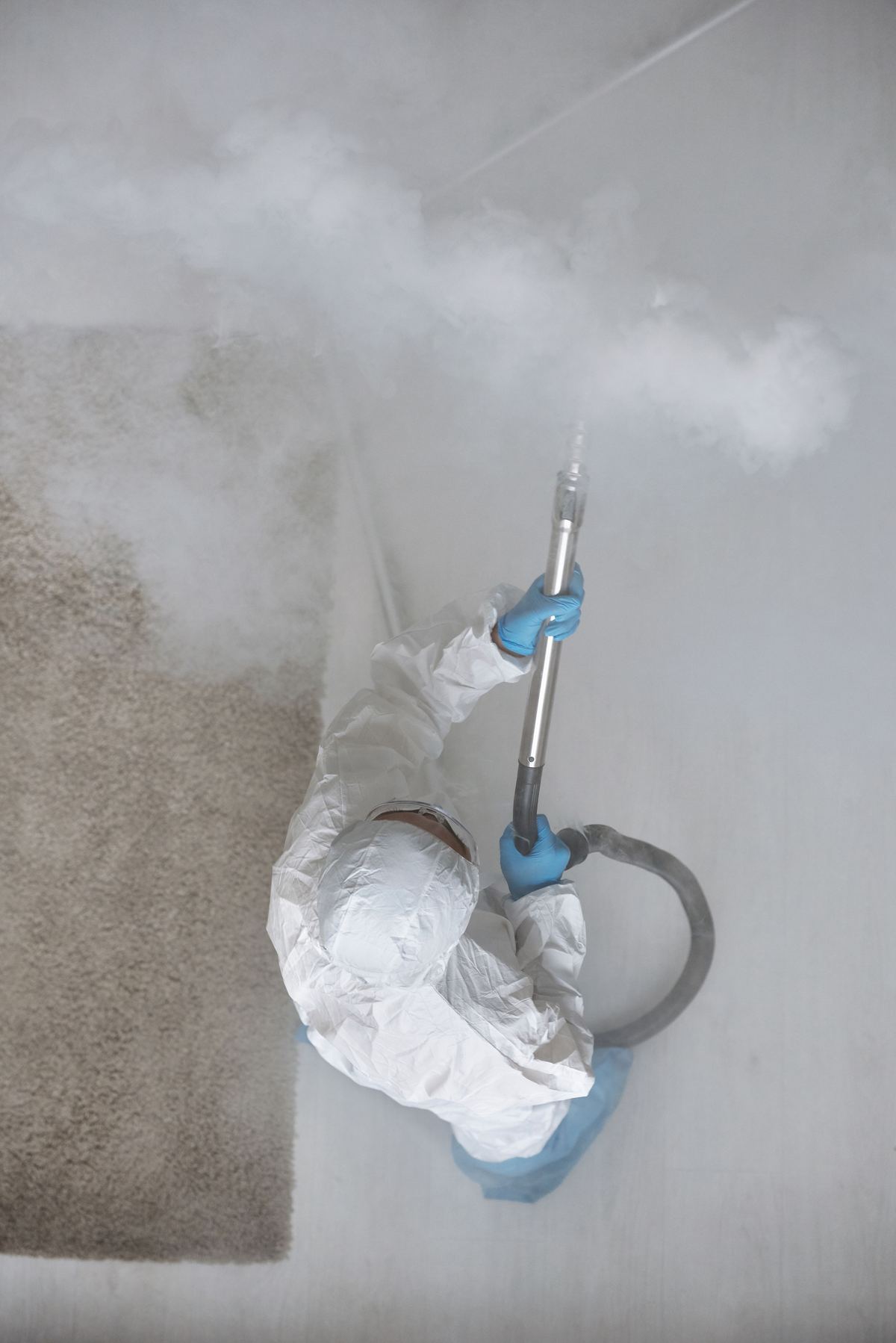
- Structural drying. Air movers and dehumidifiers placed and balanced for the space, run until moisture readings in timber, plasterboard and slab return to normal ranges: the equipment leaves when the numbers say so, not after a set number of days.
- Early mould treatment. Surfaces at risk are treated before growth establishes; anywhere growth has already started is dealt with as part of the same scope rather than left for a second job.
- Documentation throughout. Dated photos, moisture logs and a written scope: records that support insurance claims and, for landlords, demonstrate the property was returned to a dry standard. NSW Health guidance recommends drying and addressing water-affected homes promptly, and this documentation shows it was done.
When You Need This Service
- After a burst pipe, failed flexi hose, hot-water system leak or overflowing bath, even if the water “seems” cleaned up
- After storm or east-coast-low damage: roof failures, overflowing gutters, water through light fittings, stormwater entry
- Wet carpet that’s been damp for more than a day, or a wet-carpet smell that’s arrived since the event
- A slow leak discovered late (under a dishwasher, behind a shower) where the real question is how far the damage spread
- Landlords and property managers needing a flooded rental dried, documented and defensible
- Anyone whose insurer has asked for drying records or a make-safe response
If the water event happened weeks or months ago and mould is now well established, the honest scope is usually remediation rather than drying; we’ll tell you which side of that line you’re on.
Our Process, Step by Step
- Flag it as urgent. For active water events, mark your enquiry urgent in the Get a Free Quote form and describe the situation: speed matters more than paperwork. For older or smaller events, the standard form with photos works well.
- Stop the source. Water off at the meter for supply leaks; a licensed plumber or roofer engaged for the repair itself. Nothing dries while water is still arriving.
- Assessment and moisture mapping. The wet footprint is measured and photographed, water category identified, and an itemised scope and quote prepared. On insurance jobs the scope can be aligned with what your insurer or their assessor needs; you remain in control of your own claim.
- Extraction and strip-out. Standing water out; unsalvageable saturated materials (typically underlay, sometimes carpet, wet insulation, badly affected plasterboard) removed, bagged and disposed of through licensed channels.
- Drying regime. Air movers and dehumidifiers installed and left running, expect some noise and a power draw for several days. Access is arranged around you; equipment placement matters more than quantity.
- Monitoring visits. Readings taken at intervals and logged. Cavities and subfloors are checked, not assumed: an Illawarra house that took stormwater under the floor needs the subfloor checked before sign-off.
- Treatment and verification. At-risk and affected surfaces treated, final readings confirmed in the normal range, and a completion summary issued with the moisture log and photo record.
- Reinstatement referrals. New carpet, plasterboard and painting are follow-on work for appropriately licensed trades, quoted separately or handled through your insurance scope.
How Much Does Water Damage and Mould Response Cost in the Illawarra?
In the Illawarra, water damage and mould response typically starts around $300 to $800 for assessment, moisture mapping and a drying plan, rising with the size of the wet footprint, how long materials stayed wet, and the water category involved. Acting within the first day or two keeps the job closer to drying than to a full mould remediation, with every figure confirmed by formal quote.
The wet footprint drives everything: how many rooms, what materials got wet, how long the water sat, and what category of water it was. A clean-water leak caught the same day is a modest job; contaminated stormwater that sat in carpet over a weekend is not. Drying duration (and therefore equipment time) is the other big variable.
| Job type | Indicative range* |
|---|---|
| Assessment, moisture mapping and drying plan | $300-$800 |
| Single-room extraction and structural drying | $800-$2,500 |
| Multi-room drying with equipment over several days | $2,000-$5,000 |
| Drying plus remediation of established mould growth | $3,500-$8,000+ |
*Indicative guide only. Every job is confirmed with a formal quote after assessment, and insurance-funded scopes follow the agreed claim. Our mould removal cost guide covers the cost drivers in depth.
What’s Included vs What May Cost Extra
Included in a standard response: assessment and moisture mapping, water extraction, removal and licensed disposal of unsalvageable saturated materials, drying equipment and monitoring visits, treatment of at-risk surfaces, and the full photo and moisture-log documentation pack.
Quoted separately when required: the plumbing, roofing or drainage repair that caused the event (licensed trades), after-hours emergency attendance, contents restoration or storage, carpet and underlay replacement, plasterboard and painting reinstatement (licensed trades), sewage-contamination decontamination scopes, and independent post-work clearance testing.
Related Services and Where We Work
If drying reveals growth already inside wall cavities, the job transitions into mould remediation with a clear revised scope. Unsure whether an old leak left a legacy? A mould inspection and moisture investigation answers it without committing you to works. This service covers the whole region: Wollongong and its suburbs, the lower-lying streets around Dapto that cop stormwater in big rain events, and Shellharbour, Shell Cove and Albion Park to the south.
Water Damage & Mould FAQs
How quickly do I need to act after water damage?
Start drying within the first day or two if you can. Mould can begin establishing on damp materials within days, and the Illawarra’s humid air gives you less natural-drying grace than most places. Even before professionals arrive: stop the water, lift furniture onto blocks, get air moving, and photograph everything for your claim.
The carpet feels dry now, am I in the clear?
Not necessarily. Carpet pile dries first; underlay, the slab or floorboards beneath, and the bottom of the wall plasterboard dry last. “Feels dry” a week after a decent water event is exactly when hidden moisture is quietly growing mould. Moisture readings settle it either way in one visit.
Will insurance cover the drying and mould work?
That depends entirely on your policy and the cause: sudden escapes of water are commonly covered, gradual leaks and some flood types often aren’t, and mould cover varies. We don’t give insurance advice; what you do get is the assessment, moisture logs and photo documentation that make your claim easy to substantiate, from people used to working alongside insurers and their assessors.
Can wet carpet be saved?
Often, if it was clean water and drying starts promptly: carpet is extracted, lifted and dried, though saturated underlay is usually replaced as a matter of course. Carpet wet with contaminated storm or sewage water is generally removed. We’ll give you a straight answer per room rather than a blanket rule.
Do you handle sewage or contaminated stormwater?
Yes, contaminated-water events are managed with stricter removal of affected porous materials and appropriate decontamination, and the plumbing repair side is handled by licensed plumbers. Tell us upfront if the water came from drains, sewer or ground runoff, as it changes the scope and quote.
A storm is forecast and my roof already leaks: can you do anything beforehand?
The pre-storm fix is a licensed roofer or plumber, and we’d encourage you to book one. Where we help is immediately after: the sooner the wet materials are assessed and drying starts, the smaller the mould job ever gets. Bookmark our Get a Free Quote form before the east-coast low arrives, not after.
Wet House? Start the Clock in Your Favour
If water has come in, use our Get a Free Quote form now and flag it as urgent, or describe the water event and add your suburb in the form for anything less urgent. Fast drying now is the cheapest mould removal you’ll never need.
quote form