

Preventing mould in a coastal Illawarra home comes down to one thing: controlling moisture faster than the climate supplies it. In practice that means five habits: extract steam at the source (working exhaust fans, lids on pots), air the house daily even in winter, keep the subfloor and roof void ventilated, fix leaks and drainage within days rather than months, and manage winter condensation on cold surfaces like south-facing walls and aluminium window frames. Do those five consistently and most homes from Helensburgh to Gerringong stay mould-free; skip them and this climate will find the gap.
Here’s the local detail: why the Illawarra grows mould so readily, what to prioritise for your type of house, and the routines that actually work.
Why the Illawarra is a mould-friendly climate
Three factors stack on top of each other here in a way few Australian regions match:
- Coastal humidity. Sea air keeps ambient moisture high year-round, so damp materials dry slowly and closed-up rooms sit above the humidity levels mould needs.
- Escarpment rainfall. The strip from Stanwell Park down through Thirroul and Wollongong catches some of the highest rainfall totals in NSW. Ground stays wet, subfloors stay damp, and roof leaks get plenty of opportunities.
- East-coast lows. A few times a year, intense rain events drive water into homes that cope fine in normal weather: overflowing gutters, wind-driven rain through seals, water pooling against slabs in lower-lying areas around Dapto and Albion Park.
Add winter (homes sealed up, every shower and load of indoor washing pumping water vapour into cold rooms) and you get the classic Illawarra pattern: mould appears in June, gets scrubbed off, returns by August. Prevention breaks that cycle, and health authorities such as NSW Health recommend addressing damp and mould in the home: the earlier, the cheaper.
Know your house: where each type of Illawarra home is vulnerable
| House type | Common in | Typical weak point | Prevention priority |
|---|---|---|---|
| Older weatherboard (pre-1960s) | Thirroul, Bulli, Woonona, coastal villages | Damp subfloor, blocked or too-few subfloor vents | Keep vents clear; check under the house yearly |
| Double-brick (1940s-70s) | Corrimal, Fairy Meadow, Wollongong suburbs | Rising damp, blocked weep holes, cold uninsulated walls | Drainage away from walls; watch south-facing rooms |
| Brick veneer (1970s-90s) | Dapto, Horsley, Oak Flats, Warilla | Ageing bathroom fans, window condensation, roof leaks | Replace tired exhaust fans; gutter maintenance |
| Newer sealed builds (2000s+) | Shell Cove, Flinders, Calderwood | Winter condensation: airtight homes trap moisture | Daily airing; fans ducted outside, not into the roof |
| Units and apartments | Wollongong CBD, Shellharbour | Bathrooms with no window, drying washing indoors | Run fans longer; dehumidify if there’s no cross-flow |
In short: prevention means something different in a 1920s Austinmer weatherboard than in a five-year-old Shell Cove build. One’s risk is under the floor, the other’s is in the sealed, humid air of the house itself.
The daily and weekly habits that do the heavy lifting
- Run exhaust fans properly. Bathroom fan on before the shower, off 15-20 minutes after; rangehood on whenever you cook. A fan that’s noisy but moves little air isn’t working; replacement by a licensed electrician is one of the cheapest prevention wins.
- Air the house daily, yes, even in winter. Ten to fifteen minutes of cross-ventilation in the dry part of the day swaps humid indoor air for drier outdoor air. It sounds counterintuitive in winter, but it’s the single most effective free habit.
- Keep moisture out of bedrooms overnight. Sleeping adds litres of vapour to a closed room. A window cracked open, or a door open to the rest of the house, prevents the classic mouldy-corner-behind-the-bed problem.
- Dry washing outside or with ventilation. An unvented indoor clothes rack releases litres of water per load. If indoor drying is unavoidable, use one room with a window open or a dehumidifier running, door closed.
- Leave gaps for air. Pull beds and wardrobes 5-10 cm off external walls, especially south-facing ones. Stagnant air against a cold wall is where condensation mould starts.
- Wipe visible condensation. Fogged windows and wet aluminium frames on winter mornings are litres of liquid water sitting in your home. A quick wipe-down denies mould its water supply.
The seasonal maintenance checklist
Work through this each autumn, before the Illawarra’s damp season, not during it. If a storm has already hit rather than the calendar prompting you, our post-storm mould prevention checklist covers the same ground for the first 24 to 48 hours after rain specifically:
- Clean gutters and downpipes. Overflowing gutters during an east-coast low are a leading cause of water damage. Escarpment-side homes under trees may need this twice a year.
- Check subfloor vents. Walk the perimeter: every vent clear of soil, garden beds, stored items and render. If air can’t move under the floor, moisture accumulates on bearers, joists and floorboards: the start of the musty smell that leads to subfloor mould treatment.
- Look up. Water stains on ceilings, lifted or cracked tiles, rusted valleys. A minor roof fault found in April is a cheap plumber or roofer visit; found in September, it can be a ceiling remediation.
- Check ground levels and drainage. Soil, mulch or paving built up against external walls above the damp course pushes moisture into brickwork. Keep weep holes visible and clear.
- Test your fans. A working exhaust fan holds a square of toilet paper against the grille; if it drops, clean or replace it. And check where it vents: a fan dumping steam into the roof void just relocates the problem.
- Service seals and windows. Perished window seals and cracked external caulking let wind-driven rain in during storms. Cheap to fix in fine weather.
Dehumidifier, exhaust fan or subfloor vents? Choosing the right tool
| Option | Best for | Indicative cost* | Honest limitation |
|---|---|---|---|
| Better ventilation habits | Every home, first step always | Free | Requires consistency; can’t fix building faults |
| Exhaust fan upgrade/re-duct | Bathroom and kitchen steam | $250-$800 installed | Only helps the room it’s in; must vent outside |
| Portable dehumidifier | Sealed units, winter condensation, drying rooms | $300-$800 purchase | Treats the air, not the source; ongoing power cost |
| Subfloor ventilation (passive or fan-assisted) | Older homes with damp subfloors | $500-$3,000+ | Won’t fix drainage or plumbing faults underneath |
| Drainage/plumbing/roofing repairs | Actual water entry | Varies widely | Needs appropriately licensed trades; quote per job |
*Indicative, region-general figures only. Actual costs depend on the property and formal quotes from the relevant licensed trades.
The order matters. Habits first, because they’re free. Then fix any actual water entry: no dehumidifier outruns a roof leak. Then mechanical help for whatever moisture remains. Buying a dehumidifier to fight rising damp is the classic expensive mistake: it treats the symptom while the wall stays wet.
A worked example: winter condensation in a Flinders new build
An illustrative composite. A couple in a 2019 Flinders home notice black spotting on the ensuite ceiling and the south bedroom’s window reveals each July. The house is well built and there are no leaks; that’s the confusing part. Investigation finds the ensuite fan ducted into the roof cavity rather than through the roof, windows kept closed all winter, and washing dried on a rack in the spare room.
The fix: re-ducting the fan to outside (licensed trades), a timer switch so the fan runs on after showers, a daily airing routine, and moving the drying rack to the garage. Indicative outlay: $400-$900 plus habit changes, after professional bathroom and ceiling treatment of the existing growth around $500-$1,500, indicative only, subject to inspection and quote. Two winters later the ceiling is still clear, because the moisture supply was cut, not just the stain removed.
That’s the pattern for most newer Illawarra homes: nothing is “wrong” with the house, it’s simply airtight, and airtight homes need deliberate moisture management.
When prevention isn’t enough
Prevention handles moisture you can see and habits you can change. Get professional help when:
- Mould returns within weeks of cleaning despite good ventilation: something is feeding it that habits can’t fix
- You smell damp but see nothing: often a subfloor or roof void problem in older homes
- Mould appears after a storm or leak: wet materials can start growing mould within days, and early drying is dramatically cheaper than later water damage remediation
- The growth covers more than a patch or two, or keeps spreading
In those cases a mould inspection and moisture investigation finds the actual source, and if you’re weighing up costs, our mould removal cost guide gives honest indicative ranges before you commit to anything.
Frequently asked questions
What humidity level prevents mould growth?
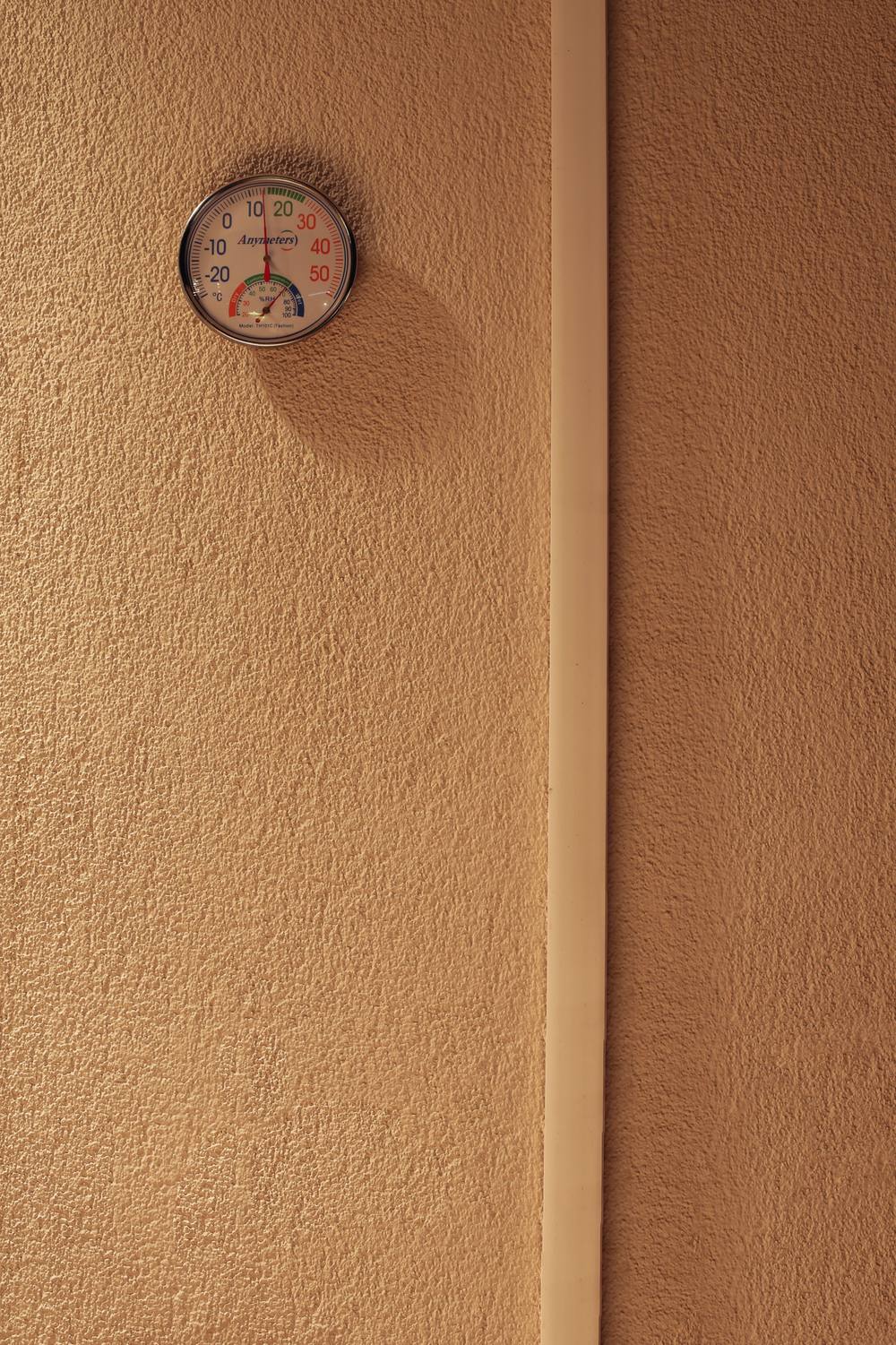
Keeping indoor relative humidity below roughly 60 per cent (ideally 40-55 per cent) makes sustained mould growth much harder. A cheap hygrometer tells you where your rooms sit; in Illawarra winters, closed-up homes routinely exceed 70 per cent without active ventilation.
Should I run a dehumidifier all the time in a coastal home?
Usually no. A dehumidifier suits specific situations: a sealed unit with no cross-flow, a drying room, a damp period after water entry. If you need one running constantly year-round just to hold mould at bay, that’s a sign of an unresolved moisture source that’s worth investigating properly.
Why does mould keep appearing on south-facing walls?
South-facing walls in NSW get the least sun, so they’re the coldest surfaces in the house. Humid indoor air condenses on cold surfaces first, and condensation plus still air behind furniture gives mould everything it needs. Airflow gaps, insulation and winter ventilation all help; persistent wet patches low on the wall may indicate rising damp, which is a building issue.
Does opening windows in winter really help, or does it let damp air in?
It helps. Cold outdoor air holds far less total moisture than warm indoor air, even when it feels damp, and ten minutes of cross-ventilation lowers indoor humidity once that air warms up. Just pick the driest part of the day rather than airing during rain or fog.
Is mould prevention different for renters?
The habits are identical, but responsibility for building-related causes (leaks, failed fans, rising damp, blocked subfloor vents) generally sits with the landlord under NSW tenancy law. If you rent and mould keeps returning despite good habits, document it and see our guide to mould in NSW rental properties for the steps that protect you.
What should I do immediately after an east-coast low hits my home?
Get water out and air moving fast: remove standing water, lift wet rugs, open the house when rain stops, and run fans. Photograph everything for insurance. If carpet, plasterboard or wall cavities got wet, act within 24-48 hours: professional drying at that stage is far cheaper than remediation later.
Want a professional eye on your home’s weak points?
If you’d rather know than guess (where your moisture is coming from, whether that musty smell is a subfloor problem, or why one room grows mould every winter), we can help. Use the Get a Free Quote form with a description and your suburb, and we’ll give you straight, practical advice for your home, whether it needs a $10 timer switch or a proper inspection.